
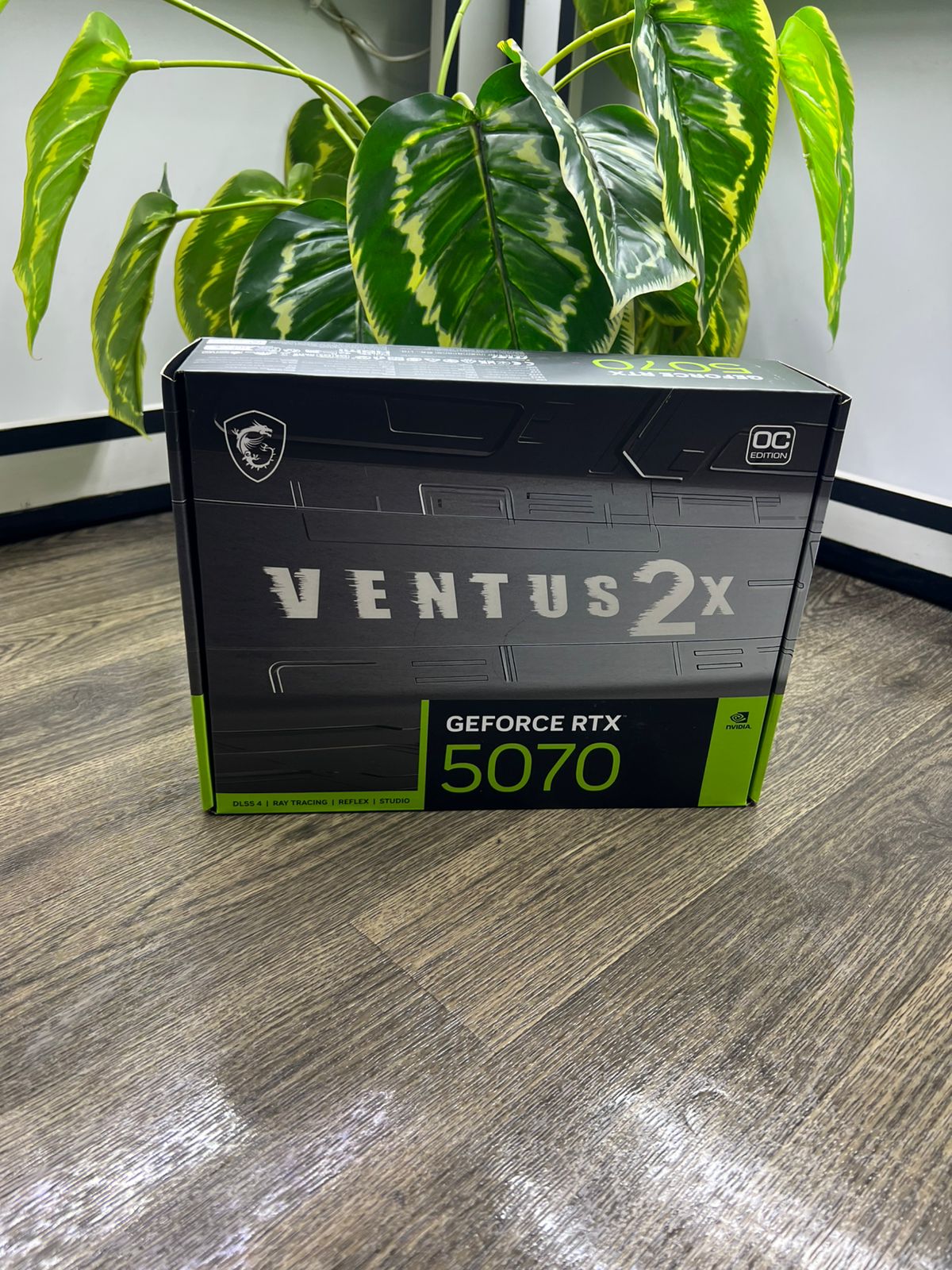
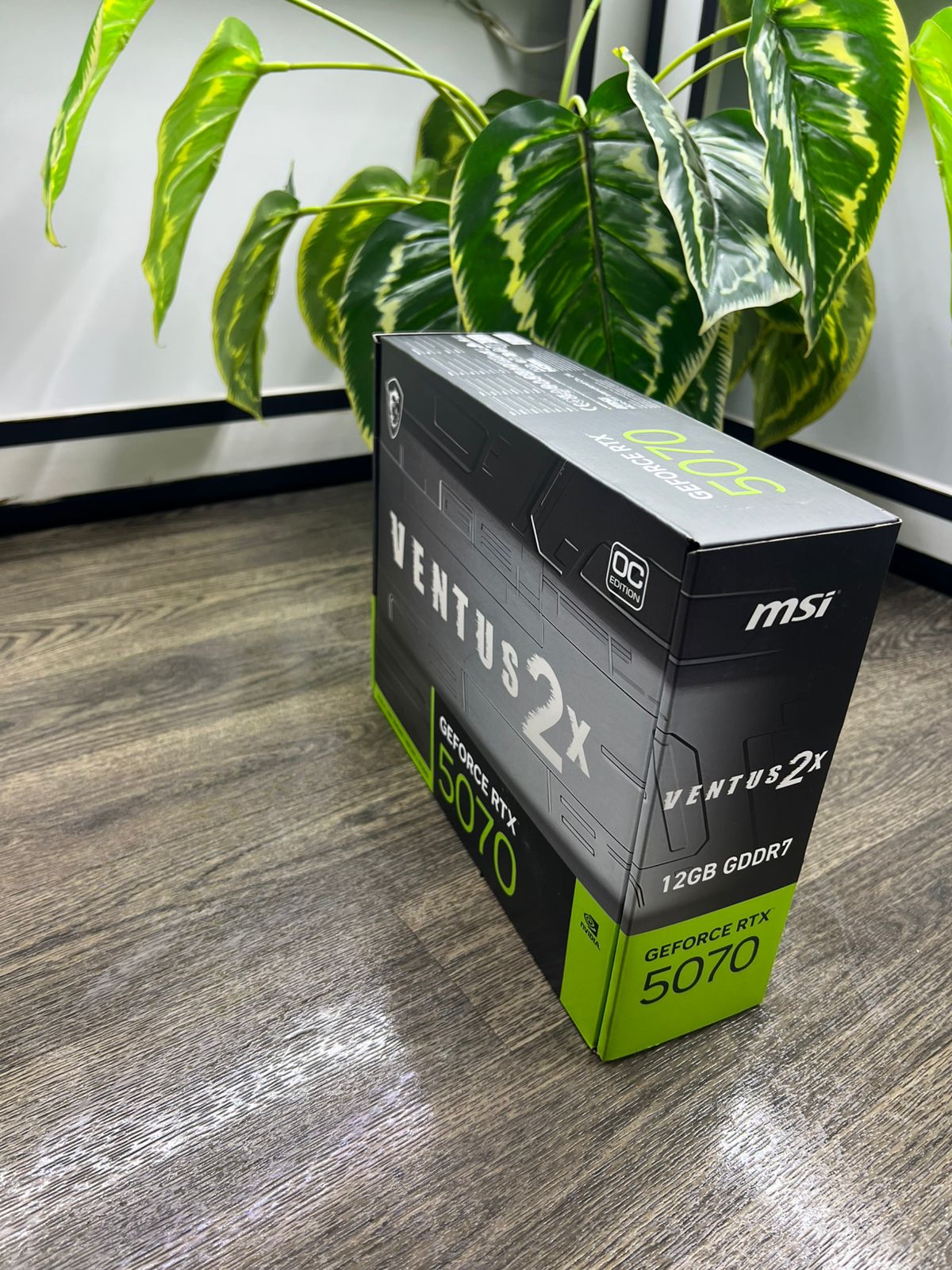
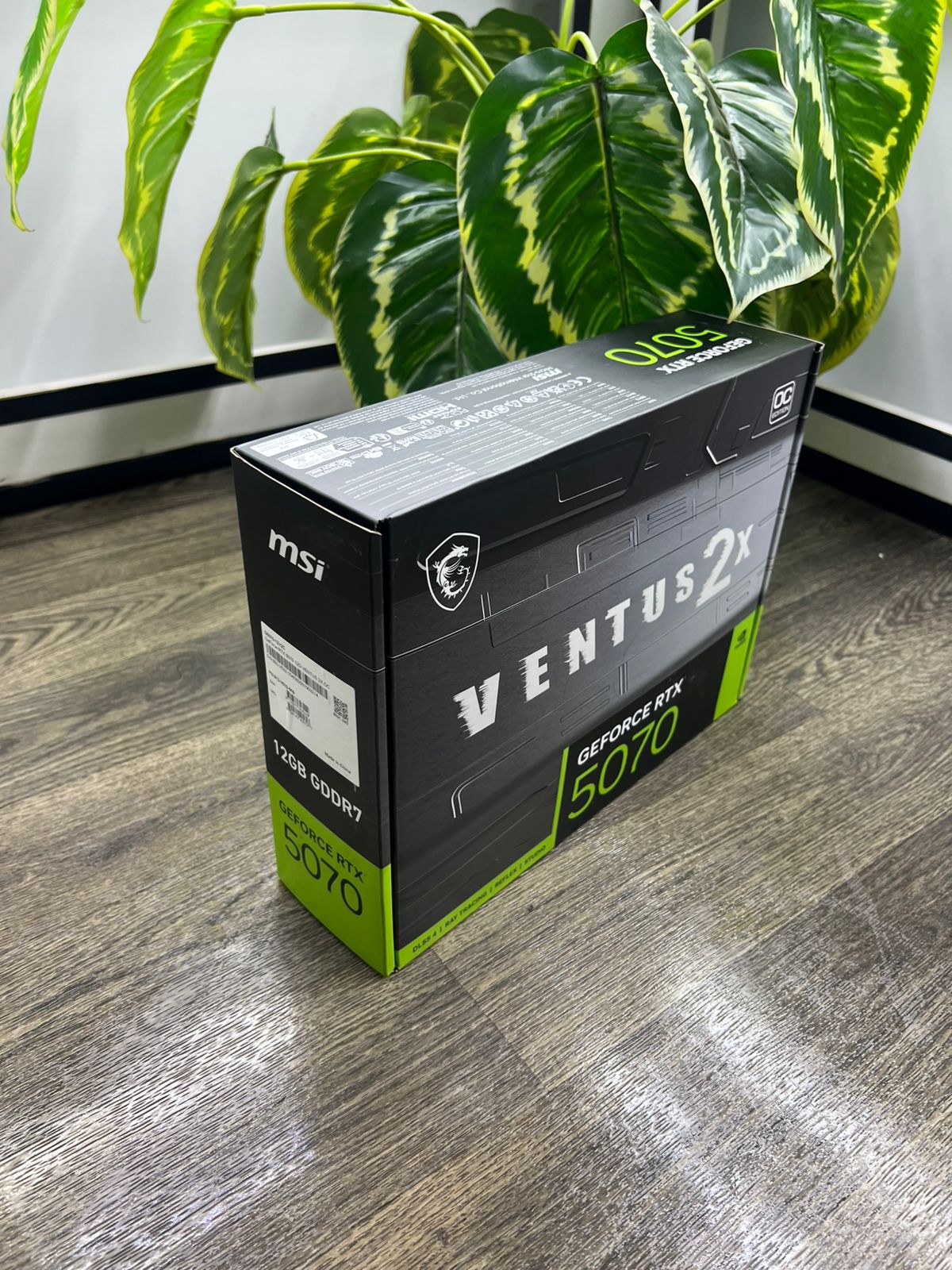
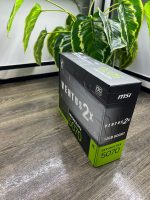
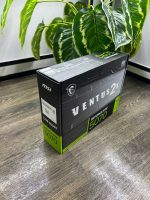


NVIDIA GeForce RTX 5070 12GB GDDR7
Key Technical Specifications
The card introduces upgraded GDDR7 memory but retains the same memory capacity as its predecessor:
- Architecture: NVIDIA Blackwell
- VRAM: 12 GB GDDR7 on a 192-bit bus
- Memory Bandwidth: 672 GB/s (running at 28 Gbps effective speed)
- Core Counts: 6,144 CUDA cores, 192 Tensor cores, and 48 Ray Tracing cores
- Clock Speeds: 2325 MHz base / 2512 MHz boost
- Interface: PCIe 5.0
- Power Consumption (TDP): ~250W
- DLSS 4: Supports Neural Rendering and Multi-Frame Generation, which uses AI to multiply frame rates significantly in supported games like Cyberpunk 2077 and S.T.A.L.K.E.R. 2.
- FP4 AI Compute: Features Blackwell’s native FP4 support, unlocking up to 3X faster generative AI processing compared to previous generations.
- Video Encoding: Includes dedicated hardware-accelerated 4:2:2 NVENC support, allowing content creators to export 4:2:2 video up to 6X faster than on an RTX 4070.
- Target Gaming: It is optimized for high-refresh-rate 1440p gaming at maximum settings.
- The 12GB VRAM Debate: Keeping the video memory at 12 GB has drawn criticism. Certain VRAM-heavy 2025/2026 AAA titles running at ultra settings with full Ray Tracing can choke the buffer, leading to performance drops unless settings or resolutions are scaled back.
- Raw Power vs. Frame Gen: In traditional rasterization (raw performance without AI frame generation), the RTX 5070 performs roughly on par with or 1% faster than the older RTX 4070 Super. It is a massive leap for users upgrading from an older RTX 3070 or GTX card, but it offers very little raw performance incentive for users already on an RTX 40-series card
Reviews
There are no reviews yet.